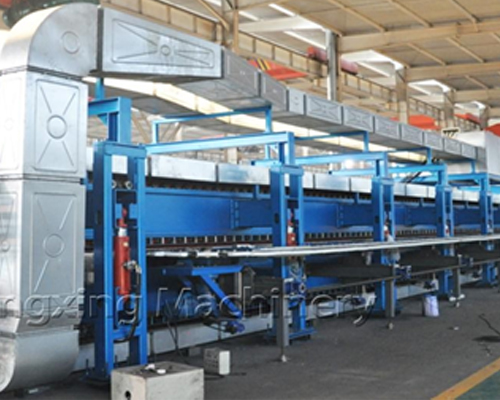
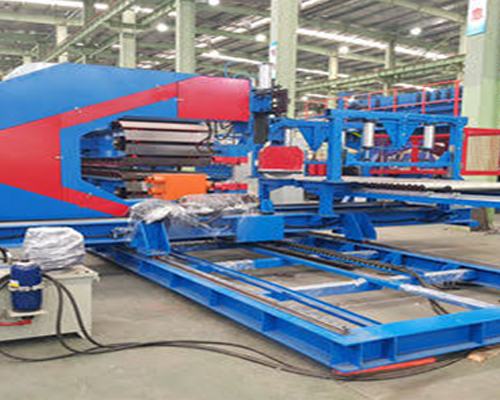
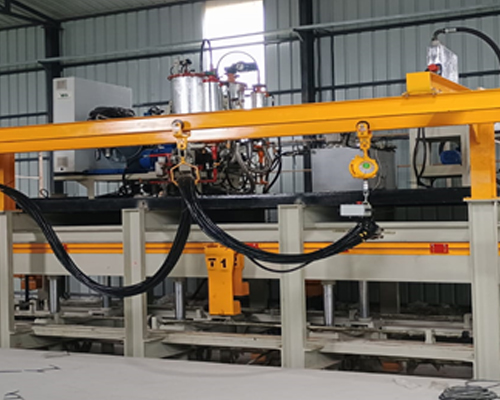
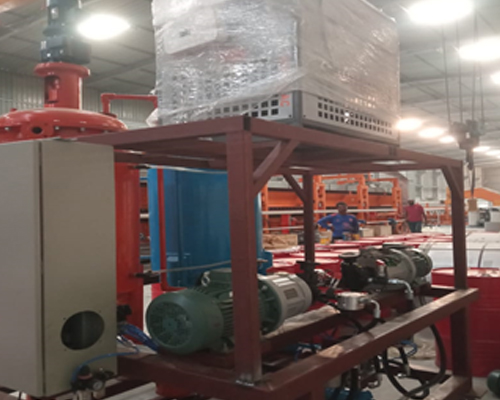
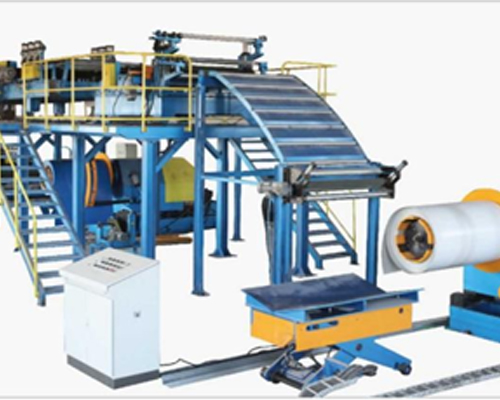
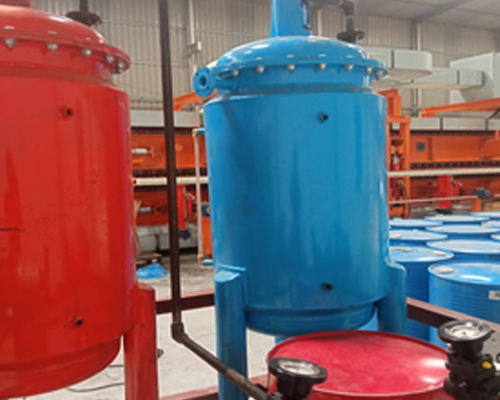
Roll forming machine specifically designed for Pre-Painted Galvalume (PPGL) coils operates as a continuous, cold-forming process to create precise and consistent metal profiles. Each stage contributes incrementally to shape the material without the need for heat, preserving its strength and coating.
Here's an explanation of the typical process, focusing on how it applies to PPGL coils:
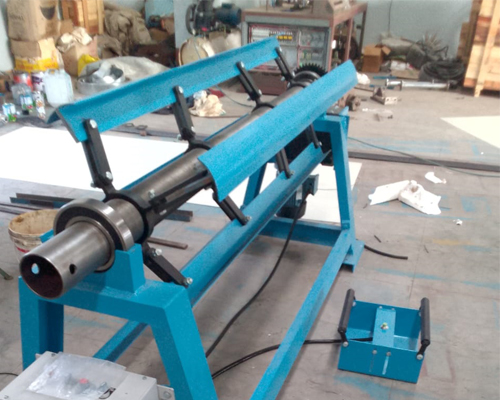
The roll forming process begins by loading the PPGL coil onto a decoiler. The coil is fed through a flattener to remove coil set and ensure smooth feeding into the subsequent stages. The lead end might also be trimmed for optimal entry into the pre-press process.
The material strip from the PPGL coil is passed through a straightener to remove any existing defects, ensuring a flat and consistent material enters the forming stages.
If necessary, the coil may undergo pre-punching or other pre-treatment operations before entering the main roll forming section. This can involve adding features like slots, holes, or slits as required by the final product design.
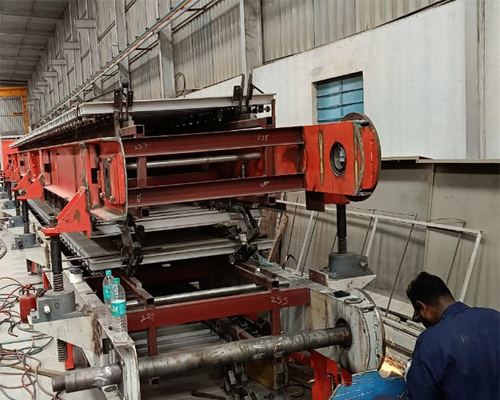
The core of the process, this involves a series of precisely designed roller stands. The PPGL material is fed through these stands, and each set of rollers gradually and incrementally bends the metal strip closer to the desired final profile. The number of roller stands can vary from 10 to 24, each progressively shaping the PPGL coil into the desired form.
After passing through the roll forming stages, the shaped profile might be passed through a straightener to correct any minor bends or distortions that may have occurred during the forming process.
Once the PPGL coil is fully formed into the desired profile, it's cut to the specified length using a cut-off press or horizontal cutting blade.
The finished and cut-to-length PPGL profiles are then discharged onto a run-out table for stacking and subsequent processing or packaging.

No:37, Jain Kovil Street, Vempoondi, Pallakuppam post, Tindivanam, villupuram-604001
+91 90032 93325, +91 91235 43733
gulfengg.s@gmail.com
Monday - Saturday
09:00 am - 07:00 pm
Sunday
Closed